
About Us
Lorem ipsum dolor sit amet, consectetur elit, sed do eiusmod tempor incididunt ut labore et magna aliqua.
Lorem ipsum dolor sit amet, consectetur elit, sed do eiusmod tempor incididunt ut labore et magna aliqua.
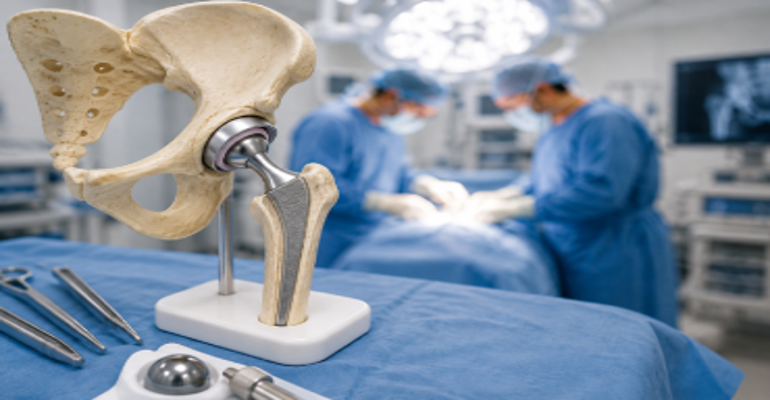
Persistent hip pain can gradually affect every aspect of daily life. Walking even short distances, climbing stairs, getting in and out of a chair, wearing shoes, or sleeping comfortably can become increasingly difficult.
Whether the pain is caused by arthritis, avascular necrosis (AVN), a hip fracture, or damage from a previous injury, living with chronic hip pain should not become your normal.
Dr. Raviraj Solanki is an Orthopedic, Joint Replacement & Arthroscopy Surgeon based in South Bopal, Ahmedabad, with a special interest in modern hip replacement surgery. His goal is to restore painless movement, improve function, and help patients return to an active and independent life.
Hip replacement is recommended only after a thorough clinical evaluation.
Many patients improve with medication, physiotherapy, activity modification, weight management, or guided injections. Surgery is considered when these treatments no longer provide adequate relief and the condition significantly affects quality of life.
Hip replacement may be appropriate if you experience:
Persistent hip or groin pain
Pain while walking or climbing stairs
Difficulty sitting, standing, or getting out of bed
Stiffness limiting everyday activities
Pain disturbing your sleep
Reduced mobility despite conservative treatment
Severe arthritis or joint damage seen on X-rays
The decision is always individualized, taking into account your age, activity level, expectations, and overall health.
Hip replacement surgery can provide excellent results for patients with a variety of conditions, including:
Osteoarthritis
The most common reason for hip replacement, where gradual cartilage wear causes pain, stiffness, and reduced mobility.
Avascular Necrosis (AVN)
Loss of blood supply to the femoral head can lead to collapse of the hip joint. Early diagnosis is essential, and treatment depends on the stage of the disease.
Rheumatoid Arthritis
Inflammatory arthritis can progressively damage the hip joint, leading to pain and deformity.
Hip Fractures
Certain fractures, particularly in older adults, may require partial or total hip replacement to restore mobility and facilitate early rehabilitation.
Post-Traumatic Arthritis
Previous injuries or fractures around the hip can eventually result in arthritis and chronic pain.
Failed Previous Hip Surgery
Some patients may require revision hip replacement because of implant wear, loosening, infection, or persistent pain.
Successful hip replacement begins with careful planning.
Every patient undergoes a comprehensive assessment to determine the most appropriate treatment strategy.
Comprehensive Clinical Evaluation
A detailed history, physical examination, digital X-rays, and additional imaging when necessary help determine the underlying cause of hip pain.
Personalized Surgical Planning
Every hip is different.
Factors such as bone quality, deformity, limb length, muscle function, and activity level are carefully considered before surgery.
Structured Rehabilitation
Early mobilization and physiotherapy are essential for regaining strength, balance, confidence, and independence after surgery.
Modern Surgical Techniques
The objective is to achieve:
Stable hip mechanics
Accurate implant positioning
Restoration of limb length whenever possible
Improved joint function
Long-term implant durability
In total hip replacement, the damaged ball-and-socket joint is replaced with modern implants designed to restore smooth, pain-free movement.
This procedure is commonly recommended for advanced arthritis, AVN, and severe joint damage.
Avascular Necrosis often affects younger and active individuals.
When diagnosed early, joint-preserving procedures may be considered.
In advanced stages, total hip replacement provides reliable pain relief and restores mobility.
Certain displaced fractures in elderly patients are best treated with hip replacement rather than fixation.
The primary goals are:
Early walking
Reduced complications
Faster rehabilitation
Improved independence
Although modern hip replacements are designed to last many years, some patients may eventually require revision surgery due to:
Implant loosening
Wear of bearing surfaces
Infection
Instability
Periprosthetic fractures
Revision surgery is more complex than primary replacement and requires careful planning and individualized management.
Choosing the right surgeon plays an important role in achieving a successful outcome.
Patients choose Dr. Solanki because of his commitment to precision, ethical practice, and personalized care.
Personalized Treatment
Every patient receives an individualized plan based on their diagnosis, age, lifestyle, expectations, and functional goals.
Special Interest in Hip & Knee Replacement
A focused practice in joint replacement enables comprehensive evaluation and evidence-based treatment of hip disorders.
Modern Evidence-Based Care
Treatment recommendations are guided by current orthopedic principles, meticulous surgical planning, and accepted best practices.
Transparent Communication
Patients and families receive clear explanations about diagnosis, treatment options, expected outcomes, and rehabilitation.
Long-Term Follow-Up
Recovery extends beyond surgery, with ongoing follow-up and rehabilitation guidance to support long-term success.
Every patient's recovery is unique, but a typical recovery timeline includes:
Day 1: Standing and walking with assistance.
2–5 Days: Walking independently with a walker or stick, depending on progress.
2–6 Weeks: Improved comfort during routine daily activities.
6–12 Weeks: Better strength, mobility, and confidence while walking.
3–6 Months: Continued improvement in endurance, balance, and function.
Physiotherapy, regular follow-up, and adherence to rehabilitation advice play an essential role in achieving the best possible outcome.
For appropriately selected patients, hip replacement can provide:
Significant pain relief
Improved walking ability
Better range of motion
Easier performance of daily activities
Improved sleep
Greater independence
Enhanced quality of life
The goal is not simply replacing a damaged joint—it is restoring freedom of movement and confidence.
Living with chronic hip pain can affect your independence, confidence, and overall quality of life—but effective treatment is available.
Whether you are seeking an opinion for arthritis, AVN, a hip fracture, or considering total hip replacement surgery, Dr. Raviraj Solanki is committed to providing personalized care based on your individual needs.
Book your consultation today and take the first step toward better mobility, lasting pain relief, and a more active life.
Hip replacement is generally advised when severe arthritis, AVN, fractures, or other hip conditions cause persistent pain and loss of mobility despite appropriate non-surgical treatment.
Modern hip replacements provide long-lasting pain relief and improved function. Many implants continue to perform well for 15–25 years or more.
Most patients begin walking with assistance within 24 hours after surgery, depending on their overall health and surgical plan.
Yes. Younger patients with advanced arthritis, AVN, or severe hip damage may benefit from hip replacement when conservative treatment is no longer effective.