
About Us
Lorem ipsum dolor sit amet, consectetur elit, sed do eiusmod tempor incididunt ut labore et magna aliqua.
Lorem ipsum dolor sit amet, consectetur elit, sed do eiusmod tempor incididunt ut labore et magna aliqua.
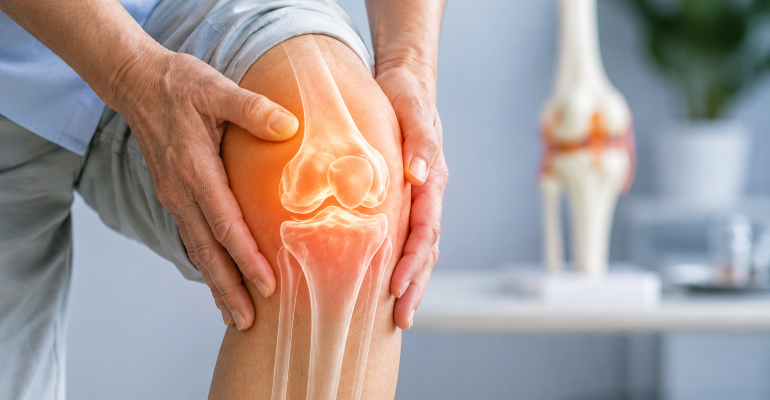
Joint pain is often dismissed as a normal part of ageing, but persistent pain, stiffness, or swelling should never be ignored.
Arthritis can gradually affect your independence, making everyday activities such as walking, climbing stairs, getting out of a chair, or even sleeping comfortably increasingly difficult.
The good news is that arthritis can often be managed effectively with timely diagnosis and the right treatment. While some patients benefit from medication, physiotherapy, and lifestyle changes, others may eventually require joint replacement surgery to regain mobility and improve their quality of life.
Dr. Raviraj Solanki is an Orthopedic, Joint Replacement & Arthroscopy Surgeon based in South Bopal, Ahmedabad, providing personalized arthritis care with a focus on preserving natural joints whenever possible and recommending surgery only when it offers the best long-term outcome.
Arthritis is not a single disease but a group of conditions that cause inflammation or gradual wear of the joints.
Healthy joints allow smooth, pain-free movement. As arthritis progresses, the cartilage that cushions the joint begins to wear away, resulting in pain, stiffness, swelling, and reduced mobility.
Early diagnosis and appropriate treatment can significantly improve symptoms and help slow the progression of the disease.
You should consult an orthopedic specialist if you experience:
Persistent joint pain
Morning stiffness
Swelling around the joint
Difficulty walking
Pain while climbing stairs
Reduced range of motion
Grinding or clicking sensation in the joint
Pain that affects sleep or daily activities
Osteoarthritis
The most common form of arthritis, caused by gradual wear of the cartilage over time. It commonly affects the knees, hips, shoulders, and hands.
Rheumatoid Arthritis
An autoimmune condition where the body's immune system attacks healthy joints, leading to pain, swelling, stiffness, and progressive joint damage.
Post-Traumatic Arthritis
Arthritis that develops after previous fractures, ligament injuries, or joint trauma.
Hip Arthritis
Hip arthritis often causes pain in the groin or thigh, stiffness, and difficulty walking. Early treatment can delay disease progression and improve mobility.
Knee Arthritis
One of the most common causes of chronic knee pain in adults. Patients often experience pain while walking, climbing stairs, or standing for prolonged periods.
Every patient experiences arthritis differently.
Treatment is based on:
Age
Severity of arthritis
Lifestyle
Occupation
Activity level
Overall health
Personal goals
Our objective is always to choose the least invasive treatment that provides the best long-term outcome.
Many patients can achieve significant relief without surgery, especially when arthritis is diagnosed early.
Treatment options may include:
1. Medications
Pain-relieving and anti-inflammatory medications to improve comfort and function.
2. Physiotherapy
Exercises to improve strength, flexibility, balance, and joint function.
3. Weight Management
Even modest weight loss can substantially reduce stress on weight-bearing joints such as the hips and knees.
4. Activity Modification
Simple changes in daily activities can help reduce joint stress while maintaining mobility.
5. Joint Injections
Selected patients may benefit from therapeutic injections that provide temporary pain relief and improve function.
6. Lifestyle Counselling
Education about joint protection, exercise, and long-term arthritis management.
Surgery is considered only when:
Pain remains severe despite conservative treatment
Walking becomes increasingly difficult
Sleep is disturbed because of joint pain
Daily activities are significantly affected
X-rays show advanced joint damage
The decision is made after a detailed discussion with the patient and family, ensuring that all treatment options are understood.
For patients with advanced arthritis, joint replacement can dramatically improve quality of life.
Depending on the affected joint, treatment may include:
Total Knee Replacement
Partial Knee Replacement
Total Hip Replacement
Joint replacement is designed to relieve pain, restore movement, and help patients return to their normal activities with greater comfort and confidence.
Individualized Care
Every treatment plan is tailored to the patient's symptoms, lifestyle, and expectations.
Focus on Joint Preservation
Whenever possible, non-surgical treatment is recommended before considering surgery.
Expertise in Joint Replacement
Special interest in hip and knee replacement surgery for advanced arthritis.
Evidence-Based Treatment
Treatment decisions are guided by current orthopedic knowledge and accepted clinical practices.
Comprehensive Rehabilitation
Recovery extends beyond treatment, with guidance on physiotherapy, strengthening, and long-term joint health.
Although arthritis cannot always be completely cured, many patients continue to lead active, fulfilling lives with appropriate treatment and lifestyle modifications.
Maintaining a healthy weight, staying physically active, performing regular strengthening exercises, and seeking timely medical care all contribute to better long-term joint health.
Early consultation often helps delay disease progression and allows patients to maintain independence for longer.
Living with arthritis does not mean giving up the activities you enjoy.
Whether your symptoms are mild or severe, early evaluation and appropriate treatment can help reduce pain, preserve mobility, and improve your quality of life.
Schedule a consultation with Dr. Raviraj Solanki to receive a personalized arthritis treatment plan and take the first step toward healthier, pain-free joints.
Most forms of arthritis cannot be completely cured, but symptoms can usually be managed effectively through medication, physiotherapy, exercise, weight management, and, when necessary, joint replacement surgery.
No. Many patients achieve excellent symptom relief through non-surgical treatment. Surgery is considered only when pain and disability significantly affect daily life.
Yes. Regular low-impact exercise helps maintain joint mobility and muscle strength. Exercise should always be appropriate for the severity of arthritis.
Yes. Delaying treatment may lead to increasing pain, stiffness, reduced mobility, and progressive joint damage.